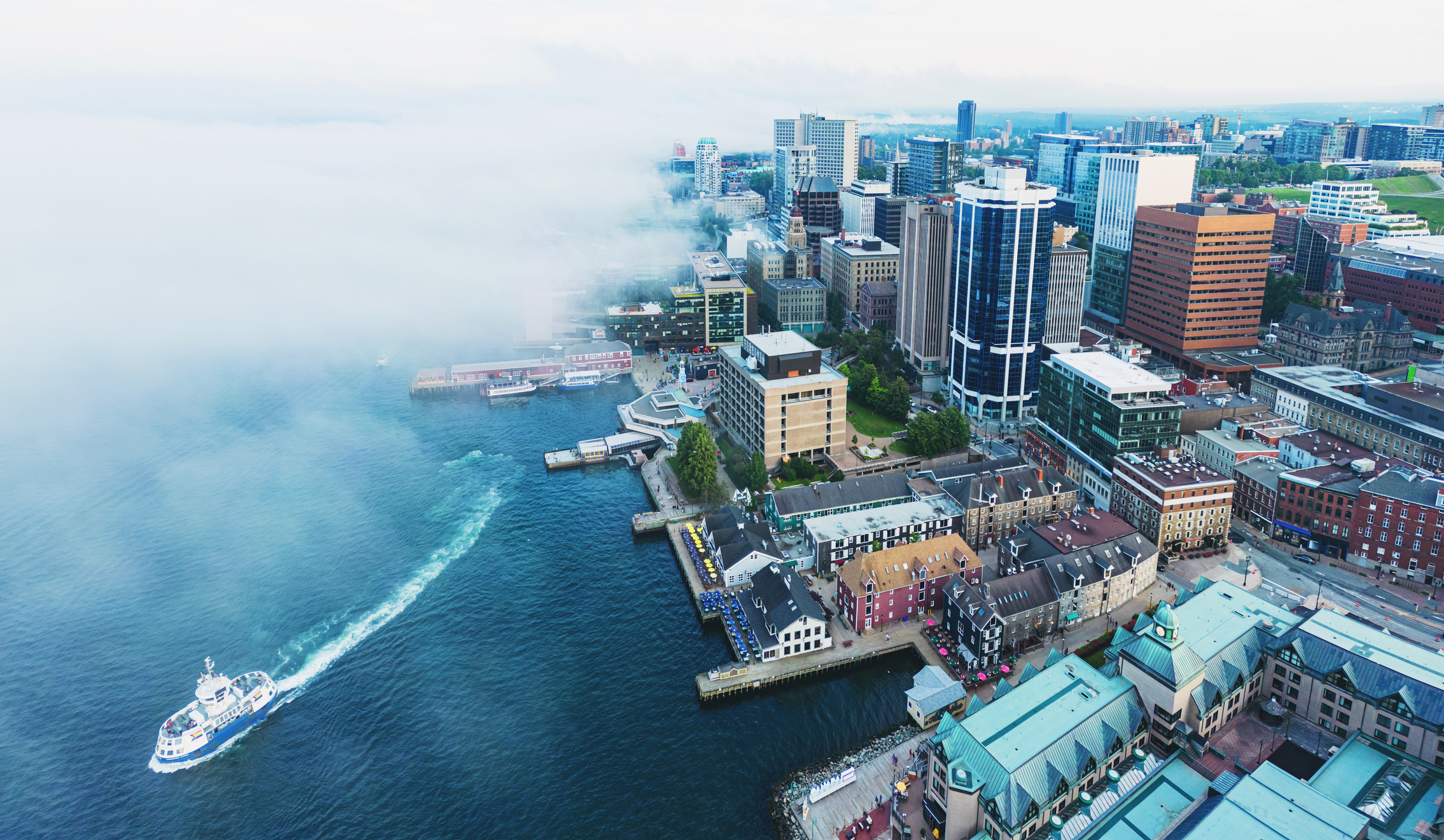
Canada's national parks range from beautiful to absolutely surreal—landscapes so extreme they challenge your perception of what's possible on Earth. These aren't typical scenic viewpoints. These are ice kingdoms, volcanic zones, fossil time capsules, and wildlife sanctuaries that look like they belong on another planet.
This guide explores seven of Canada's most visually stunning and geologically extraordinary parks, covering everything from access requirements to the best times to visit each location.

Image: Newfoundland an Labrador Tourism
1. Torngat Mountains National Park: Canada's Ultimate Wilderness
Location: Labrador / Nunatsiavut
Best Time to Visit: Mid-July to late August
Torngat Mountains National Park represents Canadian wilderness in its most extreme form. Mountains rise directly from the freezing Atlantic Ocean, carved by fjords so deep and narrow they appear almost impossible. The landscape sits atop the world's second-oldest rock formation—geology dating back 4 billion years.
What Makes Torngat Surreal
The park's name derives from the Inuktitut word meaning "place of spirits," and the atmosphere genuinely reflects this designation. Fog rolls through glacial valleys each morning while whales cruise the Labrador Sea coastline. Polar bears roam freely—this region contains one of the world's premier polar bear viewing locations.
All visitors must travel with Inuit bear guards, whose extensive land knowledge ensures both safety and appropriate respect for local wildlife.
Access and Logistics
Torngat Mountains operates only during its brief summer window when the Torngat Mountains Base Camp functions. Access requires flying into Goose Bay, followed by a charter flight north to Saglek, then boat transport into the fjords. No roads reach this park—only ocean and mountains—which preserves its otherworldly character.
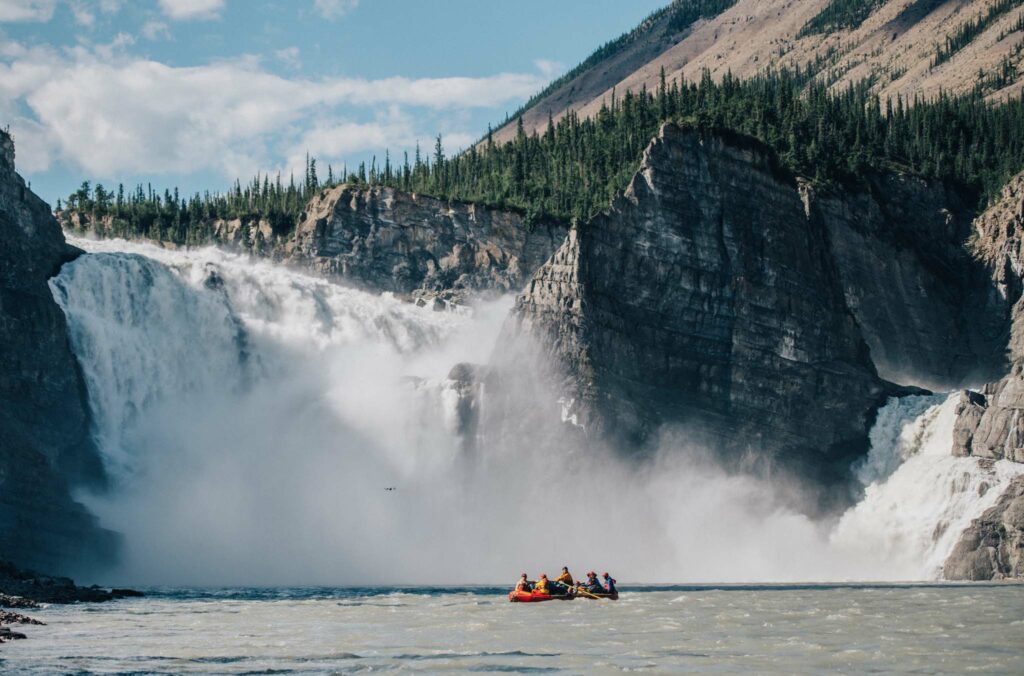
Image: Nahanni River Adventures
2. Nahanni National Park Reserve: River of Giants
Location: Northwest Territories
Best Time to Visit: June to early September
Nahanni National Park Reserve features the South Nahanni River carving through four massive canyons with walls reaching nearly one kilometer high. The landscape culminates at Virginia Falls, which drops twice the height of Niagara Falls with such force that the impact creates vibrations felt throughout the chest when standing nearby.
Geological and Cultural Significance
The park contains numerous unusual natural features including steaming hot springs, limestone tufa mounds, and narrow gorges untouched by modern development. The Dene people have inhabited this land for thousands of years, with many cliffs, rivers, and valleys carrying names and stories passed through generations of oral history.
During the early 1900s, the region attracted gold seekers, some of whom died under mysterious circumstances in an area that became known as "The Valley of the Headless Men"—adding an eerie layer of folklore to an already ancient and powerful landscape.
Planning Your Visit
Access begins in Fort Simpson with a floatplane flight over the canyons to a drop point near the falls, where multi-day river trips commence. Whether rafting, paddling, or hiking, Nahanni offers one of Earth's most visually powerful wilderness experiences.
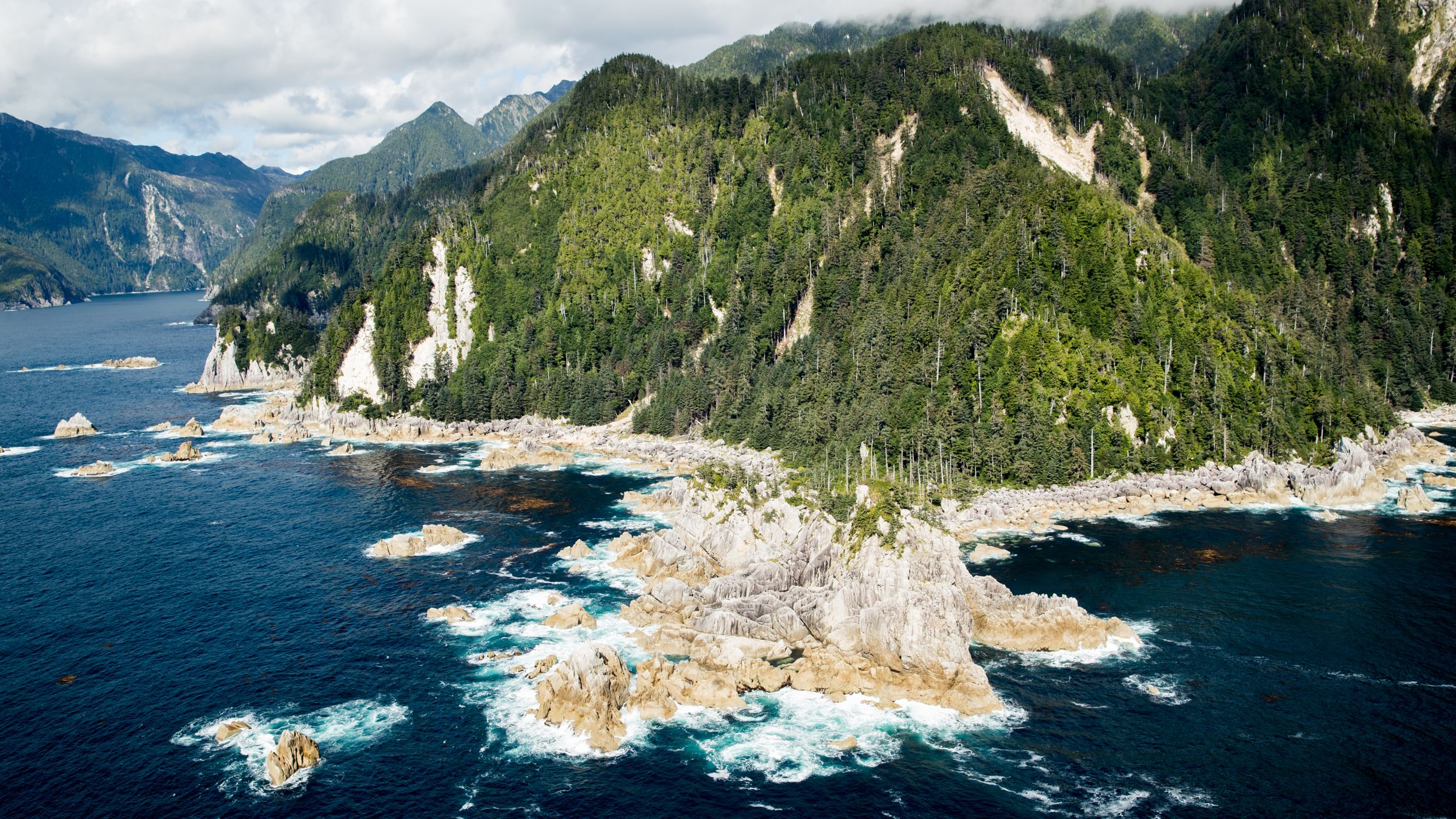
Image: CNN
3. Gwaii Haanas: The Galápagos of the North
Location: Haida Gwaii, British Columbia
Best Time to Visit: June to September
Gwaii Haanas genuinely earns its nickname as "the Galápagos of the North." Long isolation from the mainland has produced species found nowhere else on Earth, including unique birds, plants, and a special black bear subspecies larger and more robust than mainland populations. Surrounding waters host orcas, humpback whales, sea lions, and abundant salmon runs.
Cultural Heritage
Gwaii Haanas operates under co-management between Parks Canada and the Haida Nation, protecting ancient Haida village sites including SG̱ang Gwaay Llnagaay, a UNESCO World Heritage Site. Weathered cedar poles still stand where originally raised, depicting clan crests, animals, and family histories carved by Haida ancestors over 150 years ago.
Visiting the Islands
Most visitors fly into Sandspit or Masset, then join Zodiac or sailing tours into Gwaii Haanas. The combination of temperate rainforest, ocean wilderness, endemic wildlife, and living Indigenous culture creates one of the world's most unique protected areas.
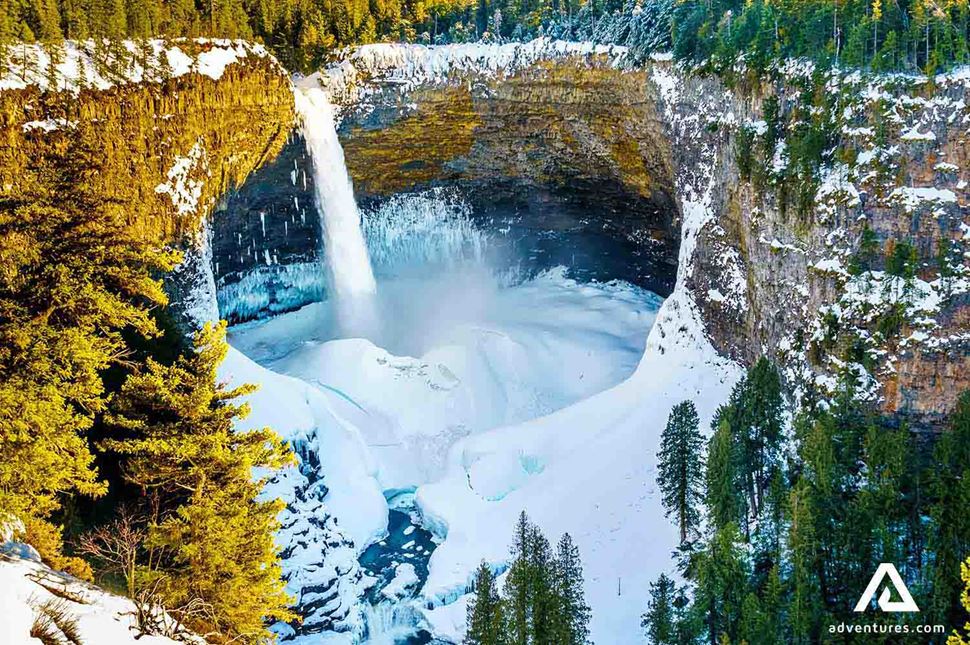
Image: adventures.com
4. Wells Gray Provincial Park: The Winter Ice Kingdom
Location: British Columbia
Peak Season: July-August (accessible), December-February (most surreal)
Wells Gray Provincial Park transforms dramatically between seasons. While summer brings peak visitation with fully open roads, lush green forests, and abundant waterfalls, the park's truly surreal character emerges in winter.
The Helmcken Falls Ice Cone
Winter temperatures transform Helmcken Falls into something mythical. The waterfall crashes into the canyon with such force that freezing mist builds a giant ice cone sometimes reaching 40 to 50 meters tall—resembling a frozen volcano erupting from the gorge.
The entire canyon becomes a white-and-blue frozen world. Mist freezes mid-air into tiny crystals that catch light, icicles the size of tree trunks hang from cliffs, and smaller waterfalls turn into frozen curtains. The air itself feels heavier with suspended frost.
Accessibility
Unlike more remote parks on this list, Wells Gray maintains plowed roads to main viewpoints in winter, allowing visitors to walk directly to the canyon edge to witness the ice cone formation. While conditions can be cold and intense, the experience requires no extreme adventure skills.
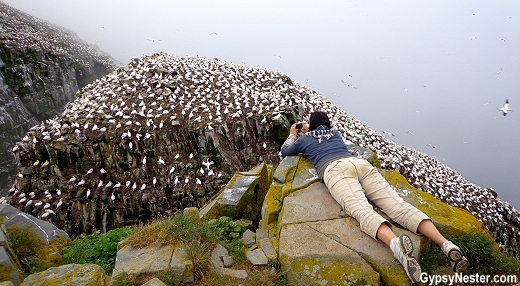
Image: The GypsyNesters
5. Cape St. Mary's Ecological Reserve: North America's Seabird Storm
Location: Newfoundland
Best Time to Visit: June to August
Cape St. Mary's hosts one of North America's largest seabird colonies. The short trail to the cliffs delivers an immersive encounter with tens of thousands of northern gannets, murres, and kittiwakes packed onto a massive sea stack rising from the Atlantic Ocean.
The Experience
Standing mere meters from the colony creates a living storm of wings and sound. Birds circle, dive, call, and land in constant motion—the sky and cliffs appear to move as one living entity. Newfoundland's characteristic fog rolls in from the ocean, alternately obscuring and revealing the spectacle.
Planning Details
Summer months bring peak bird activity as adults care for chicks. The reserve sits approximately two hours southwest of St. John's by car, with a short walk from parking to viewpoints. The combination of crashing waves, salty air, and dense bird activity creates one of the most intense nature encounters available in eastern Canada.

Image: Parks Canada
6. Kluane National Park: The Glacier Kingdom
Location: Yukon
Best Time to Visit: June to September
Kluane National Park contains the largest non-polar icefields on Earth and hosts Canada's highest peak, Mount Logan. The scale makes human presence feel insignificant—massive mountains dominate every sightline, visible for extraordinary distances thanks to clear northern air.
Landscape Features
Glaciers feature crevasses the size of buildings, with blue ice glittering across vast expanses. The ecosystem supports grizzly bears, Dall sheep across alpine ridges, and lakes displaying perfect shades of blue and green. The combination of ice, rock, and wildlife creates a landscape of almost overwhelming scale.
Access Information
Most visitors fly into Whitehorse, then drive two hours to Haines Junction as a base for exploration. The accessible period runs June through September when roads and trails open and daylight extends dramatically.
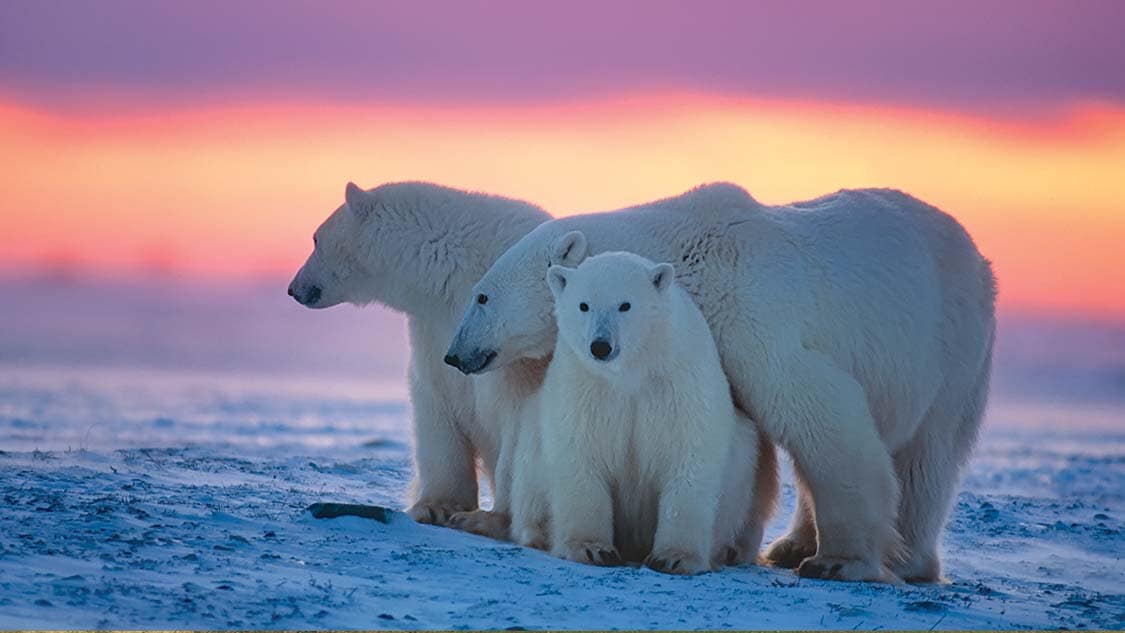
Image: Wandering Wagars
7. Wapusk National Park: Polar Bear Nursery
Location: Manitoba
Peak Season: February-March (denning), Summer (wetlands)
Wapusk National Park functions as one of the world's largest polar bear denning areas. Mother bears dig snow dens and give birth to cubs in mid-winter, with tiny cubs emerging for the first time in late February and March—wobbly, fluffy, and experiencing the world for their first moments.
Arctic Ecosystem
The landscape appears deceptively simple—flat tundra, snow drifts, and frozen spruce trees bending in wind—yet supports remarkable biodiversity. Arctic foxes navigate the snow, migratory birds fill summer wetlands, wolves leave tracks across ice, and aurora borealis displays illuminate winter skies.
Visiting Restrictions
Access requires licensed tour operators only—independent travel is not permitted due to polar bear safety concerns. Everything operates from Churchill, Manitoba, a remote town with no year-round road access. Most visitors fly from Winnipeg, then join helicopter or tundra buggy tours operated by authorized companies.

Image: CBC
Honorable Mention: Point Pelee National Park
Location: Ontario
Best Time to Visit: May (bird migration), September (monarch butterflies)
Point Pelee National Park occupies the southernmost point of mainland Canada, creating a microclimate that feels almost tropical. The forest contains tulip trees, vines, and plant species rare elsewhere in the country.
Monarch Butterfly Migration
September brings one of Point Pelee's most spectacular events—thousands of monarch butterflies gather at the park's tip, waiting for optimal winds to cross Lake Erie. Trees become covered in butterflies, branches drooping under their weight, before entire clusters lift into the air in synchronized flight.
Spring migration makes Point Pelee one of North America's premier birding locations, with millions of birds funneling through this geographic bottleneck.
Planning Your Canadian Park Adventure
Canada's most surreal national parks require varying levels of planning and accessibility:
Remote Parks (Torngat, Nahanni, Wapusk) demand advance booking, specialized tour operators, and significant budget allocation due to flight requirements and guided access mandates.
Moderately Accessible Parks (Kluane, Gwaii Haanas) require flights to regional hubs followed by driving or boat transport, with various accommodation options available.
Road-Accessible Parks (Wells Gray, Cape St. Mary's, Point Pelee) allow independent exploration with personal vehicles, though weather and seasonal conditions significantly impact the experience.
Each location offers encounters with nature in its most extreme forms—from ancient geology and massive ice formations to wildlife populations and ecosystems found nowhere else on Earth. The surreal quality of these landscapes challenges expectations of what Canadian wilderness looks like, revealing a country of extraordinary geological and biological diversity.