Canada's cities offer beauty in remarkably diverse forms—European charm, dramatic mountain backdrops, colorful coastal architecture, and unexpected urban oases. Unlike destinations that disappoint in person, Canada's most beautiful cities consistently exceed expectations, revealing layers of character that photographs can't fully capture.
This guide ranks eight of Canada's most visually stunning cities, covering everything from cost of living and accessibility to essential experiences in each location. The list progresses from beautiful to extraordinary, culminating in Canada's most scenic urban destination.
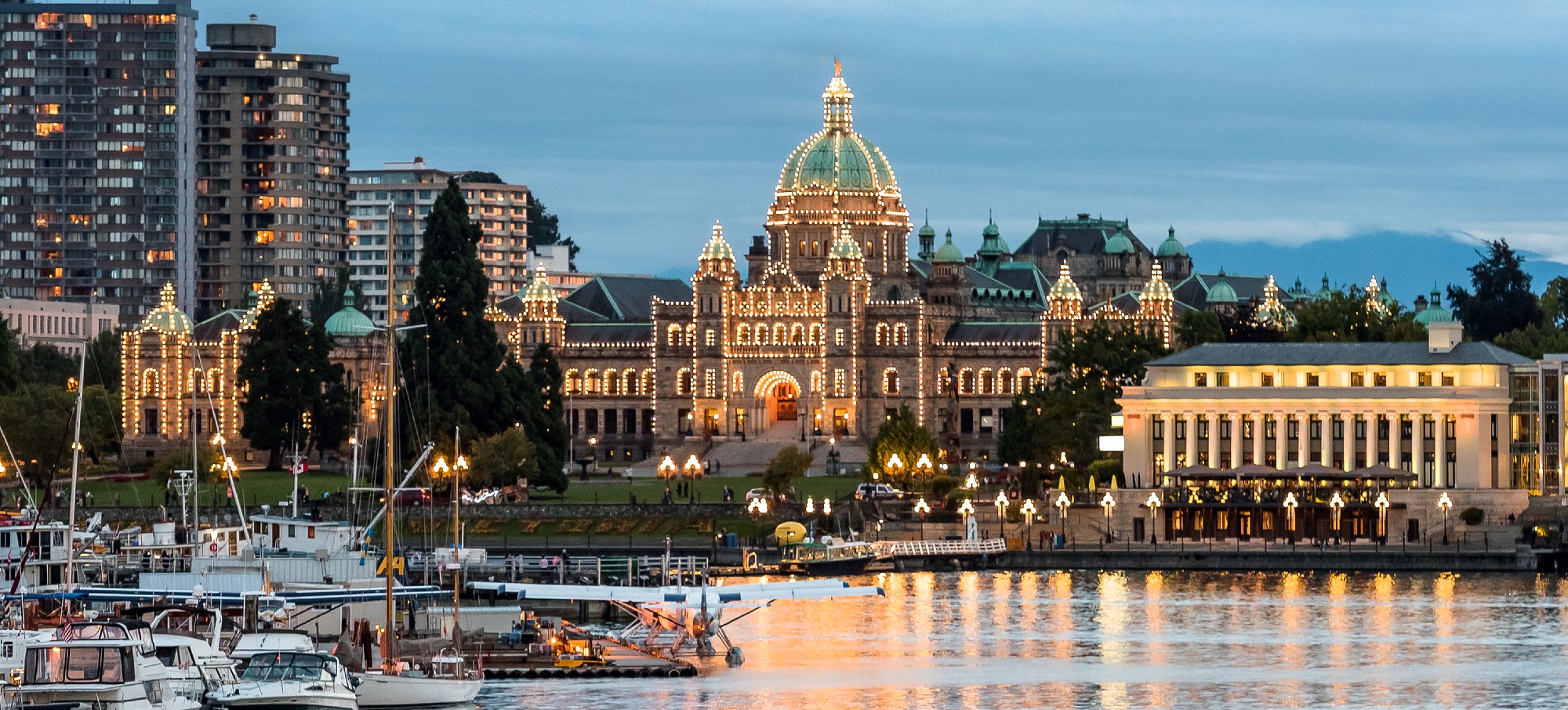
Image: Travel British Columbia
8. Victoria, BC: Garden City Elegance
Location: Vancouver Island, British Columbia
Best Time to Visit: May to September
Monthly Rent: 1-bedroom: $2,100 | 3-bedroom: $3,800
Victoria creates an immediate vacation atmosphere through its combination of coastal setting, European-influenced architecture, and meticulously maintained gardens. The city's relative isolation on Vancouver Island contributes to its distinct, self-contained character.
Visual Character
The Inner Harbour presents Victoria's signature view: the massive Fairmont Empress Hotel with its Neo-Baroque architecture and ivy-covered facade dominates the waterfront like a structure from an early 20th-century postcard. Across the harbor, Fisherman's Wharf features actual floating homes and colorful food stalls gently rocking on the water.
Victoria's relationship with flowers extends beyond typical urban landscaping into a defining civic characteristic. Public gardens, residential plantings, and floral displays throughout the city create an almost constant presence of cultivated natural beauty.
Lifestyle and Demographics
The city attracts retirees and families seeking coastal living with a relaxed pace. Unlike major metropolitan areas, Victoria emphasizes calm over hustle, nature access over nightlife, and preservation over rapid development.
Cost Considerations
Housing costs reach Toronto levels despite Victoria's population representing just one-tenth of the Greater Toronto Area—a premium reflecting limited supply on Vancouver Island and high demand for the lifestyle the city offers.
Essential Experiences
- Early morning walk along Inner Harbour: Optimal lighting and minimal crowds
- Fisherman's Wharf chowder: Sample from floating food stalls
- Victoria's hidden valleys: Lesser-known walking trails away from tourist centers

Image: YAM Magazine
7. Quebec City, QC: Europe in North America
Location: Quebec
Best Time to Visit: Year-round (winter for Christmas atmosphere, summer for festivals)
Monthly Rent: 1-bedroom: $1,400 | 3-bedroom: $2,100
Quebec City represents Canada's closest approximation to Europe—often exceeding European counterparts in preservation quality and cleanliness. The city functions as North America's only fully French-speaking urban center, creating an authentic linguistic and cultural shift upon arrival.
Three-Dimensional Urbanism
Old Quebec operates as what could be termed a "three-dimensional city"—terrain naturally creates vertical movement alongside horizontal navigation. This topography generates quiet drama that flat cities cannot replicate, with the Château Frontenac castle-hotel from the late 1800s crowning the highest point and anchoring the entire urban composition.
Seasonal Atmosphere
Winter transforms Quebec City into a Christmas-card setting with lighting, snow-covered cobblestones, and cozy street scenes. Summer brings patio culture, street performers, and music festivals. The city maintains strong atmospheric character regardless of season, rewarding aimless wandering year-round.
Language and Culture
French dominates all signage, menus, and conversation. While most residents speak English, attempts at French—even basic greetings like "bonjour"—receive genuine appreciation from locals. The language barrier remains minimal for English speakers while still creating authentic cultural immersion.
Affordability
Quebec City ranks among Canada's most affordable major cities, offering fairytale aesthetics at accessible prices—a combination increasingly rare in the country's urban landscape.
Essential Experiences
- Old Quebec after dark: Cobblestones glow under lantern light, Château Frontenac illuminates dramatically
- Petit-Champlain evening stroll: Historic district reaches peak atmosphere at night
- Maple taffy on snow (winter): Sugar shack stalls serve Quebec's signature dessert, considered best in Quebec City

Image:adventures.com
6. St. John's, NL: Colorful Coastal Character
Location: Newfoundland and Labrador
Best Time to Visit: June to September
Monthly Rent: Mid-range ($1,800-$2,800)
St. John's presents bold, colorful, and dramatic character—a city of contrasts where brightly painted houses meet rugged cliffs, ocean views, and persistent fog. The aesthetic combines elements of Ireland and Iceland: a colorful harbor, epic Signal Hill vistas, and raw coastline throughout.
The Jellybean Row Phenomenon
St. John's trademark colorful houses serve functional purpose beyond aesthetics. As one of the world's foggiest cities, the bright paint helps residents and sailors navigate through thick fog. The city experiences wind, rain, and sun within single afternoons—dramatic weather patterns that contribute to local character rather than detract from it.
Wild Beauty
This represents less polished urban beauty than other Canadian cities—a rawer, more elemental version shaped by harsh Atlantic conditions and isolated geography.
Newfoundland Culture
Local food culture emphasizes salt cod appearing at breakfast, lunch, and dinner. Regional specialties include cod tongues, toutons (fried dough), and traditional fish and chips. The Screech-In ceremony at downtown pubs offers visitors an entertaining introduction to Newfoundland traditions.
Essential Experiences
- Signal Hill: Panoramic views of harbor, city, and Atlantic Ocean
- Proper Newfoundland meal: Salt cod dishes across all meals
- Screech-In ceremony: Traditional welcome ritual at local pubs
- Jellybean Row photography: Colorful houses create distinctive imagery
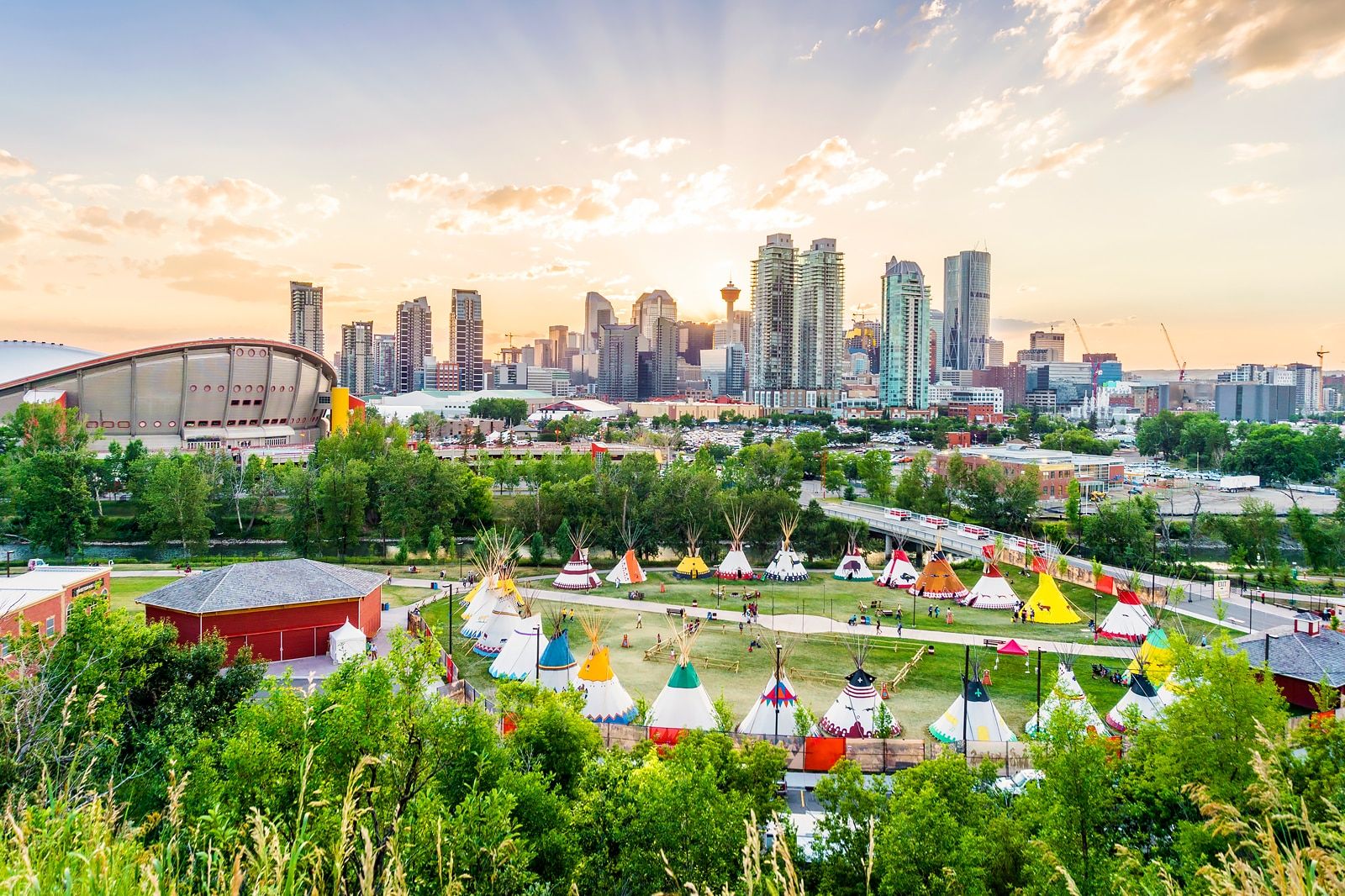
Image: hotels.com
5. Calgary, AB: Modern Mountain Gateway
Location: Alberta
Best Time to Visit: June to September (summer), December to March (winter sports)
Monthly Rent: 1-bedroom: $1,800-$2,200 | 3-bedroom: $2,800-$3,200
Calgary ranked among the world's top three most livable cities in 2022 alongside Zurich, maintaining top-10 status in subsequent years for cleanliness and modern urban design. The city combines contemporary architecture, extensive green space, and Rocky Mountain proximity into a highly functional urban environment.
Urban Design Excellence
Downtown features glass towers, organized street grids, and extensive pedestrian infrastructure. The Plus 15 network—enclosed walkways connecting downtown buildings—allows year-round indoor navigation during harsh winters or hot summer days, representing thoughtful northern climate adaptation.
The Bow River cuts through the city center, creating peaceful waterfront pathways where urban density transitions seamlessly to natural corridors used by cyclists, runners, and walkers.
Climate Anomaly: Chinook Winds
Calgary experiences chinooks—warm winds from the Rocky Mountains that can transform freezing winter days into mild, spring-like conditions within hours. This phenomenon provides periodic relief from harsh winter conditions.
Economic and Lifestyle Balance
The city attracts residents from Vancouver and Toronto seeking lower costs while maintaining big-city amenities. Calgary provides mountain access, modern infrastructure, and outdoor recreation without Vancouver's housing crisis or Toronto's density challenges.
Essential Experiences
- Peace Bridge at sunset: Walk across the distinctive bridge following river pathways into Kensington
- Inglewood craft brewery scene: Sample some of Canada's best craft beer
- Simmons Building, East Village: Coffee, bread, and food vendors with exceptional river views
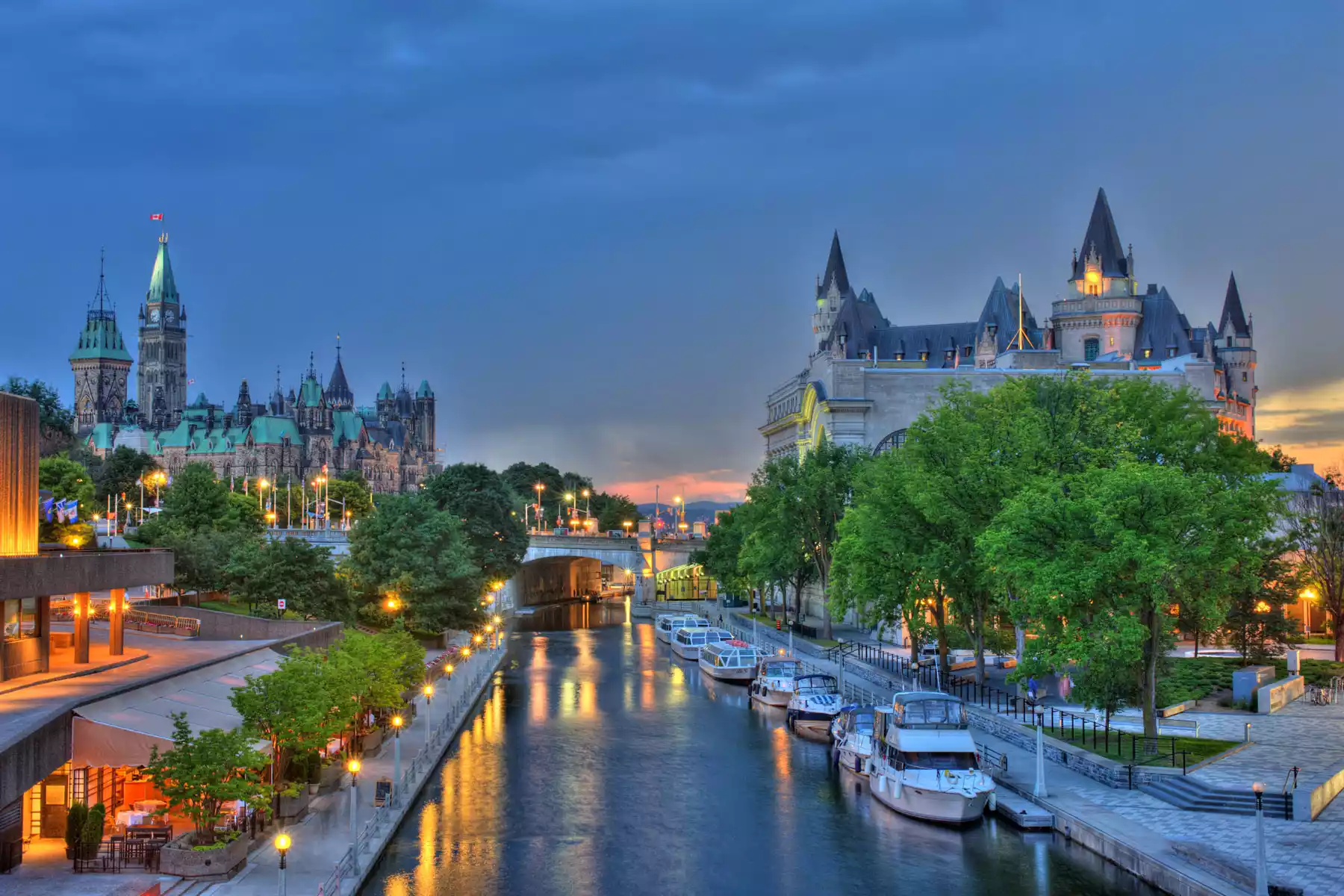
Image: Canada by Design
4. Ottawa, ON: Elegant Capital City
Location: Ontario
Best Time to Visit: May (tulip festival), December-February (Winterlude)
Monthly Rent: 1-bedroom: $2,000 | 3-bedroom: $3,150
Ottawa contradicts expectations of chaotic capital cities, instead offering elegant, calm urbanism with Nordic orderliness. The city operates with deliberate design rather than organic sprawl, creating coherent urban character.
Architectural Distinction
Parliament Hill dominates the skyline with quiet authority rather than overwhelming drama. The Rideau Canal cuts through the core as both divider and connector—in winter transforming into the world's largest skating rink.
Older neighborhoods including the Glebe, Sandy Hill, and Centretown feature tree-lined streets with Victorian and Edwardian homes showing architectural detail absent in contemporary developments. These areas prioritize pedestrian experience over automobile convenience—increasingly rare in Canadian cities.
Bilingual Character
As Canada's capital with official English-French bilingualism, Ottawa features effortless language switching in daily life. Proximity to Quebec creates genuine cultural blending rather than superficial multiculturalism.
Demographics and Nature Access
Average age around 39 years makes Ottawa younger than expected for a government-dominated city. Nature access exists throughout—canal pathways, Gatineau Hills across the river, and bike trail networks provide constant green corridor access.
Strategic Location
Ottawa sits under two hours by train from both Montreal and Toronto, offering weekend access to world-class dining, concerts, and cultural scenes without daily grind or associated housing costs.
Essential Experiences
- National Gallery and Royal Canadian Mint: Both museums within 5-minute walk; mint tour includes holding actual gold bars worth hundreds of thousands
- Château Laurier's Yousuf Karsh gallery: Small collection dedicated to the legendary portrait photographer who captured Churchill, Castro, and Einstein
- Rideau Canal skating (winter): World's largest skating rink through city center
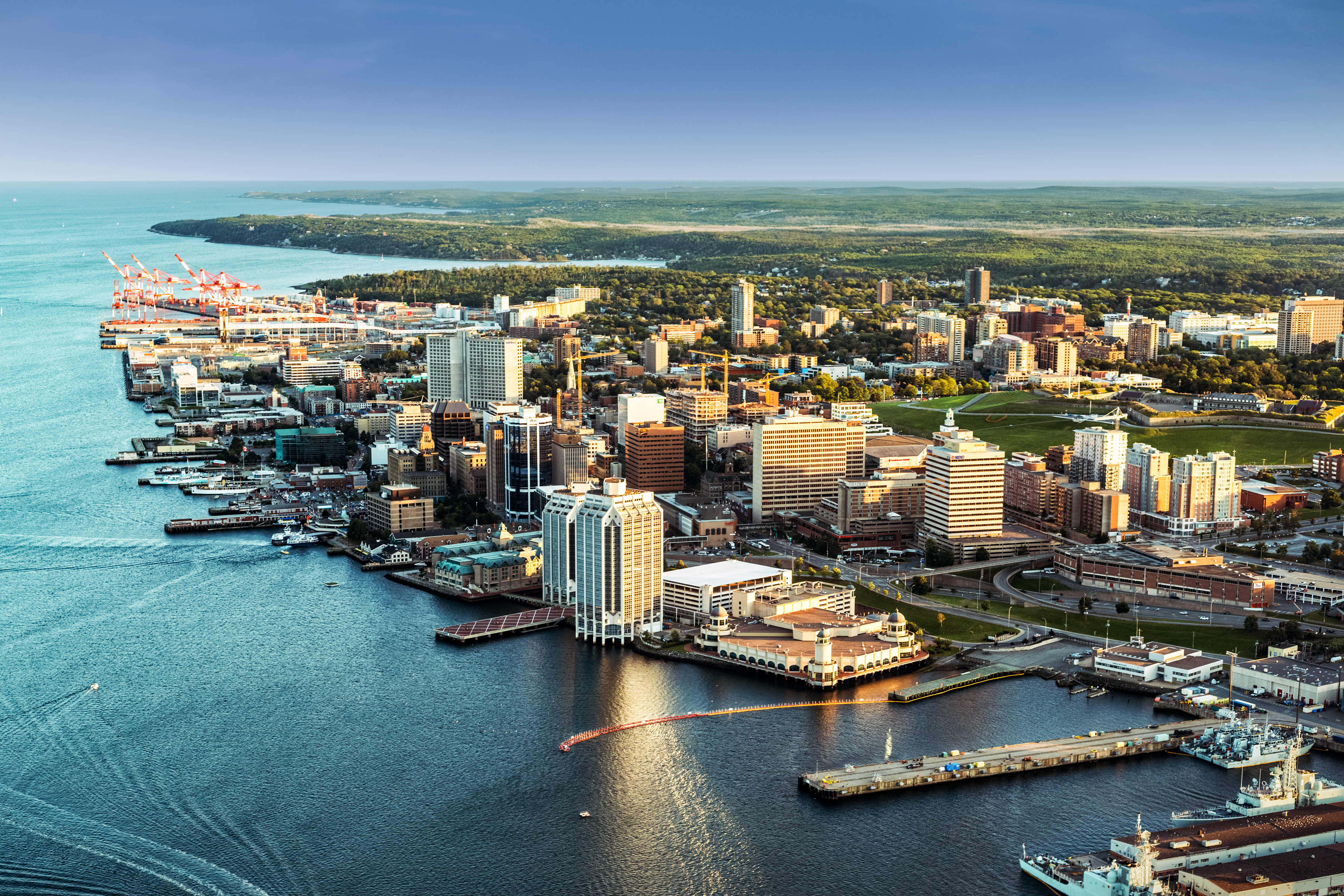
Image: The Study Abroad Foundation
3. Halifax, NS: Maritime Charm
Location: Nova Scotia
Best Time to Visit: June to September
Monthly Rent: Comparable to Toronto/Vancouver ($2,200-$3,400)
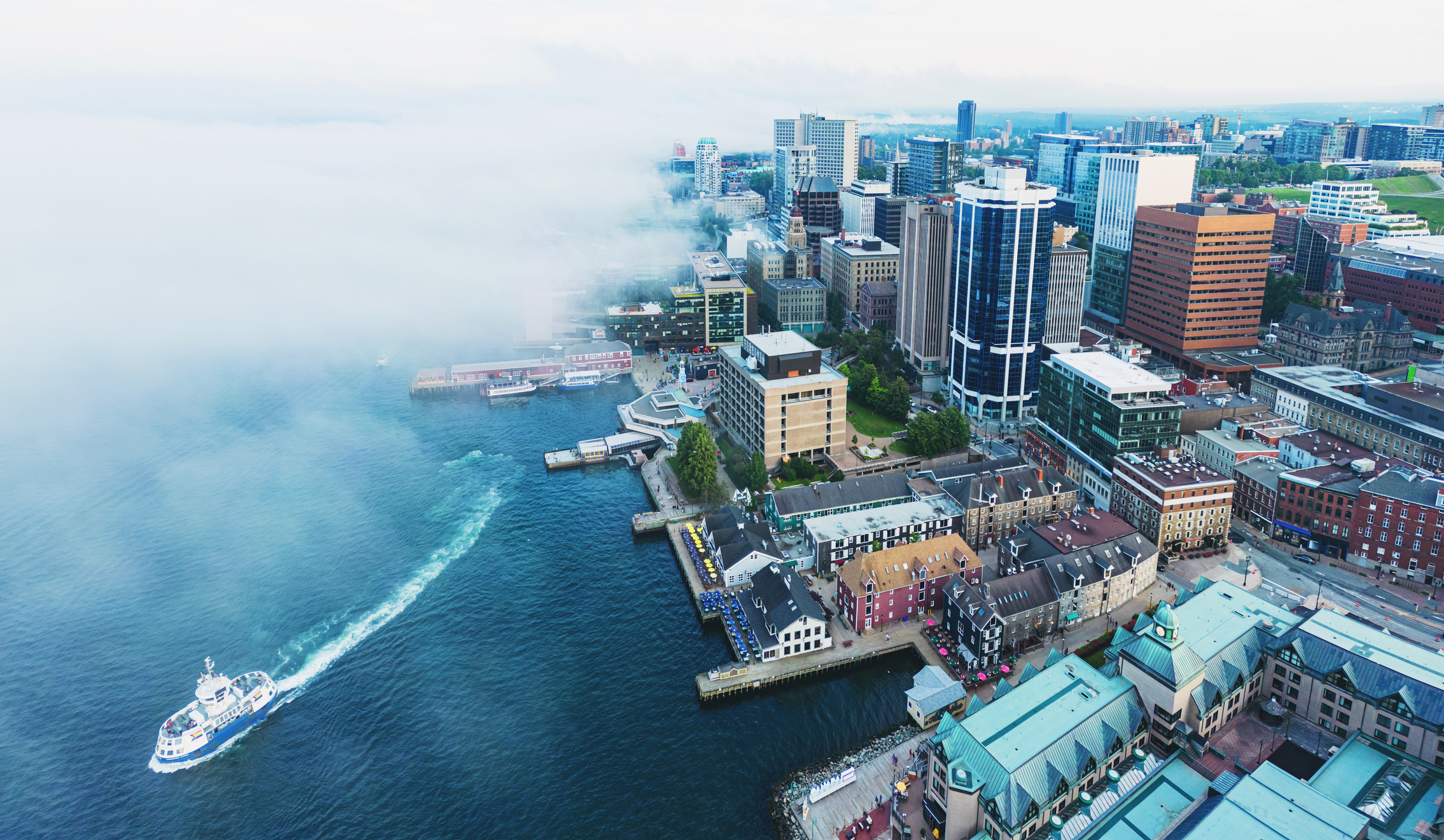
Halifax creates immediate positive atmosphere through friendly culture, relaxed pace, and constant ocean presence. The waterfront—long boardwalk with boats, patios, and shops—functions as the city's social center for afternoon gathering.
Organic Character
The city avoids forced development, instead displaying natural character through historic buildings and cozy streets resembling Scottish architecture. Halifax doesn't try to be great—it simply is.
Rapid Growth and Recognition
Popularity has surged over the past five years, transforming Halifax from hidden gem to sought-after destination for young people, remote workers, and families. This recognition has impacted cost of living, pushing rent to levels comparable with Canada's largest cities.
Maritime Food Culture
Halifax offers some of Canada's best seafood and lobster. The coastal lifestyle and ocean access justify higher costs for many residents prioritizing quality of life over pure affordability.
Essential Experiences
- Dartmouth ferry: Three dollars, 15-minute intervals, best skyline views available
- Public Gardens: Victorian-era garden with plants, flowers, ponds, and quiet spaces in downtown core
- Donairs: Invented in Halifax; try from original sources
- Waterfront boardwalk sunset: Extended walking route with harbor views
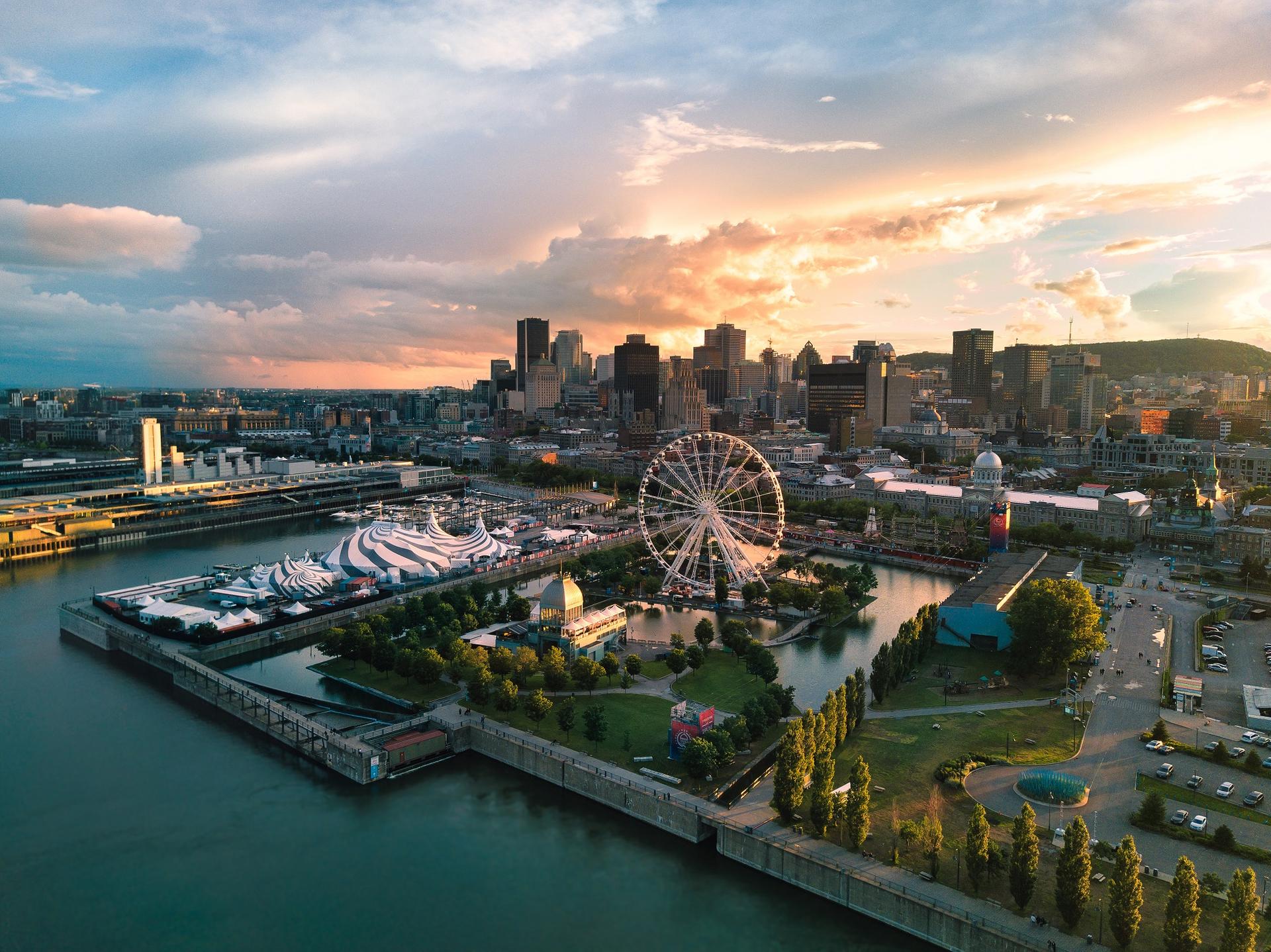
Image: Destination Canada
2. Montreal, QC: Cultural Capital
Location: Quebec
Best Time to Visit: June to August (festival season)
Monthly Rent: 1-bedroom: under $2,000 | 3-bedroom: $2,500-$3,000
Montreal delivers everything expected from major cities—culture, dining, architecture, entertainment—while maintaining relaxed, cozy, stylish atmosphere. The combination of European aesthetics and North American energy, all at remarkable affordability, positions Montreal as potentially the continent's best urban value.
Architectural and Cultural Layers
Old Montreal features cobblestone streets and 18th-century basilicas creating transported European quarter atmosphere. Move north into modern downtown for glass towers and nonstop festival calendar—Montreal International Jazz Festival, Just for Laughs, and numerous summer weekend events create continuous celebration.
Neighborhood Culture
Unlike Canadian cities where residential areas serve primarily as sleeping quarters, Montreal neighborhoods reward exploration. The Plateau, Mile End, and Rosemont feature signature outdoor spiral staircases—unique Montreal architectural element. Street art murals throughout the Plateau create ongoing outdoor gallery.
The city maintains one of Canada's most developed cycling networks with actual usage rather than empty infrastructure.
Mount Royal
The mountain in the city center provides trails and lookout points, offering nature escape without leaving urban boundaries. This central green space contributes to Montreal's balance between urban density and outdoor access.
Exceptional Value
For a city with extensive culture, beauty, dining options, energy, and character, Montreal's affordability compared to Vancouver or Toronto remains genuinely impressive. Finding rentals under $2,000 in a top-tier Canadian city represents increasingly rare opportunity.
Multicultural Expression
Montreal blends multicultural population, creative communities, and expressive culture into cohesive whole rather than segregated ethnic neighborhoods.
Essential Experiences
- Breakfast at Café Septembre near Atwater Market: Follow with canal walk to Old Port
- Montreal Metro architectural tour: First North American rubber-tire subway system; each of 68 stations designed by different architect
- Montreal bagels: St-Viateur or Fairmount for authentic experience
- Tam Tams at Mount Royal: Sunday drum circles and community gathering
- Cité du Havre park sunset: Optimal skyline views in evening light
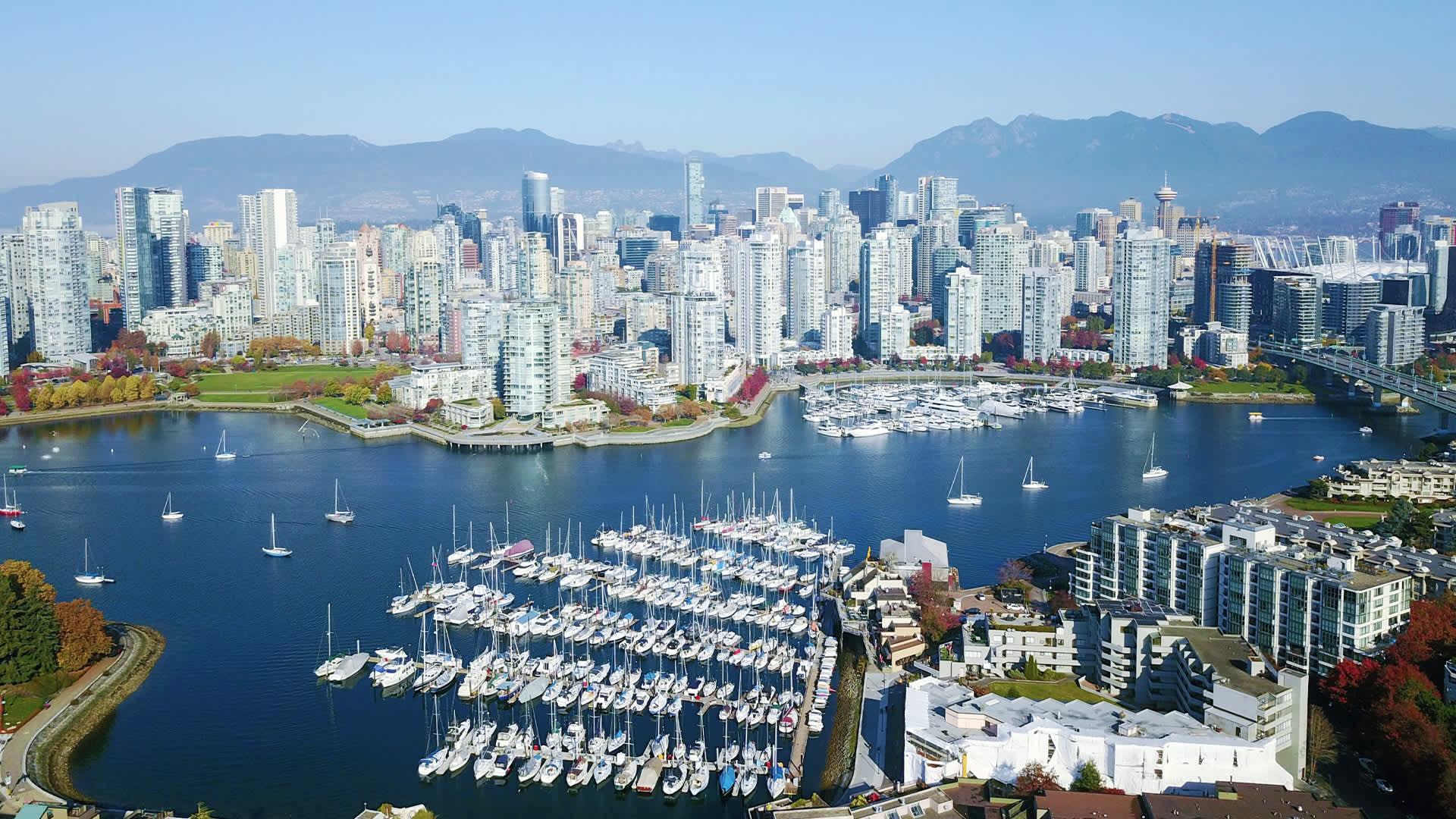
Image: Klook
1. Vancouver, BC: Nature Meets Urban Excellence
Location: British Columbia
Best Time to Visit: April to October (dry season)
Monthly Rent: Highest in Canada ($2,500-$4,500+)
Vancouver represents the pinnacle of Canadian urban beauty through perfect synthesis of nature and city living. Ocean on one side, mountains on the other, forests between, and modern glass skyline reflecting water and sky create unmatched visual composition.
Seamless Nature Integration
Residents can bike the seawall, walk Stanley Park, visit beaches, or access downtown sushi restaurants all within single afternoons. The city's photogenic quality stems from genuine integration rather than isolated scenic viewpoints.
North Shore Elevation
Crossing water into North Vancouver and West Vancouver reveals expensive hillside neighborhoods with sports cars, stunning views, and multimillion-dollar homes. The setting resembles luxury treehouses built in national park—mountains directly behind houses, ocean and Vancouver skyline visible below.
Topography and Views
Neighborhoods built on hills ensure dramatic views from nearly every street. Green space, cleanliness, and maintenance quality remain consistently high. Nature access includes hiking trails, suspension bridges, ski hills, beaches, and rivers in endless proximity.
Climate Advantage
Vancouver's mild climate compared to the rest of Canada attracts significant population—winter temperatures rarely drop severely, and summer remains comfortable without extreme heat.
Geographic Constraints
The very mountains that create beauty also limit growth potential. Housing supply remains constricted by ocean and mountain barriers, driving prices to Canada's highest levels while average incomes don't proportionally match.
Rain as Feature
Vancouver's precipitation reputation shouldn't deter visits—the city genuinely suits rainy exploration. Forest parks like Lighthouse Park and Pacific Spirit Park deliver moody, atmospheric experiences in rain. Queen Elizabeth Park, the city's highest point, provides panoramic downtown and North Shore mountain views regardless of weather.
Japanese Food Excellence
Vancouver hosts some of North America's best Japanese restaurants outside Japan, taking advantage of fresh Pacific seafood. The city's Asian culinary scene rivals destination cities globally.
Essential Experiences
- Seawall bike or walk: Complete loop around Stanley Park
- Lighthouse Park or Pacific Spirit Park in rain: Embrace atmospheric forest experience
- Queen Elizabeth Park sunset: Highest point with panoramic views
- Japanese dining: Fresh seafood in authentic settings
- North Shore suspension bridges and trails: Immediate mountain access from urban core
Planning Your Canadian City Journey
Canada's most beautiful cities require different approaches based on priorities:
Coastal Beauty (Victoria, Halifax, Vancouver, St. John's) offers ocean access and maritime culture with premium housing costs reflecting desirability.
European Character (Quebec City, Montreal, Ottawa) provides old-world aesthetics, walkable historic districts, and better affordability than coastal alternatives.
Mountain Access (Calgary, Vancouver) combines urban amenities with immediate outdoor recreation and varied housing costs.
Best Value (Montreal, Quebec City, Calgary) delivers major city amenities without Vancouver or Toronto price tags.
Each city offers distinct character shaped by geography, climate, history, and culture. The diversity across Canada's urban landscape means selecting based on personal priorities—whether ocean proximity, mountain access, European atmosphere, affordability, or nature integration matters most will determine the ideal Canadian city for any individual.
The common thread connecting all eight locations: beauty that consistently exceeds photographic representation, revealing layers of character and quality of life that can only be understood through direct experience.